
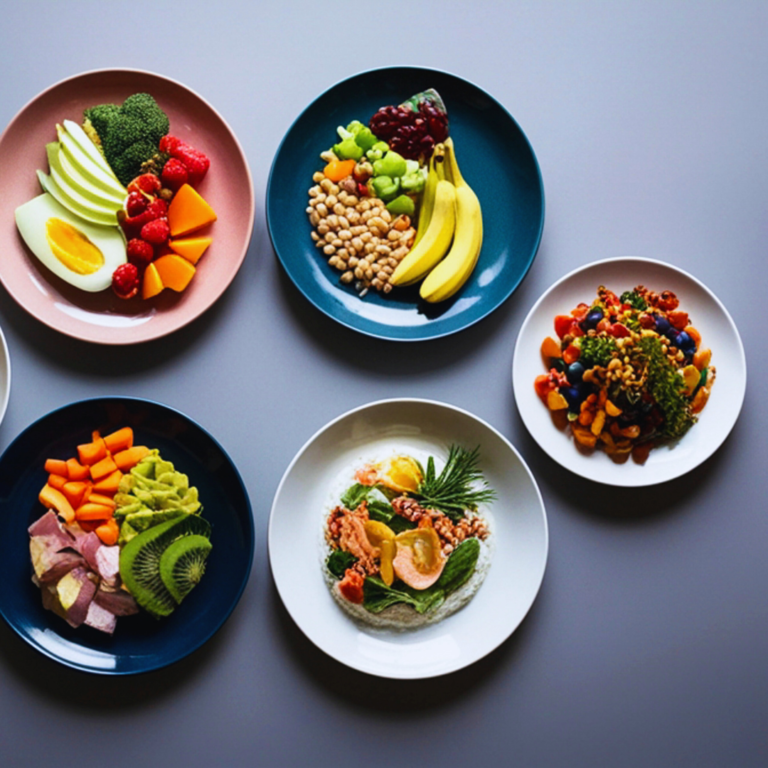
Many people think creating balanced meals requires complex recipes or strict diets. In reality, it simply involves combining the right proportions of protein, carbohydrates, and healthy fats in a way that fits everyday life.
A balanced meal can be made easy by focusing on simple, natural ingredients and portion control rather than complicated cooking techniques or rare foods. This approach helps maintain nutrition without stress or overwhelm.
Understanding this basic framework allows anyone to make thoughtful food choices quickly. It encourages sustainable habits that support health without sacrificing time or enjoyment.
Fundamentals of Building Balanced Meals
Creating balanced meals involves selecting foods that provide essential nutrients in appropriate amounts. Understanding which foods to include, the roles of macronutrients and micronutrients, and managing portion sizes helps maintain a healthy diet without complexity.
Key Food Groups for a Balanced Plate
A balanced meal typically includes foods from five main groups: vegetables, fruits, grains, protein, and dairy or dairy alternatives. Vegetables and fruits supply vitamins, minerals, and fiber, critical for body functions and digestion.
Grains, especially whole grains, offer carbohydrates for energy along with fiber. Protein sources like lean meats, beans, nuts, and seeds provide essential amino acids for muscle repair and immune health. Dairy provides calcium and vitamin D, supporting bone strength.
Including foods from all groups ensures a wide range of nutrients and promotes a balanced diet. Variety within these groups improves the meal’s nutritional profile.
Macronutrients and Micronutrients Explained
Macronutrients include carbohydrates, proteins, and fats, needed in large amounts for energy and bodily function. Carbohydrates are the primary energy source; proteins are essential for tissue repair, and fats support cell structure and hormone production.
Micronutrients are vitamins and minerals required in smaller amounts but critical for health. Vitamins such as A, C, and D work in immune support and skin health. Minerals like calcium, iron, and potassium aid bone health, oxygen transport, and fluid balance.
Balanced meals should combine macronutrients to sustain energy and provide micronutrients to avoid deficiencies. Nutrient-dense foods deliver these essentials without added sugars or excessive fats.
Proportion and Portion Sizes
Proper proportions on the plate help control calorie intake and nutrient balance. A simple guide is filling half the plate with vegetables and fruits, one-quarter with protein, and one-quarter with whole grains.
Portion sizes should reflect individual energy needs and activity levels. Overeating any food group can disrupt nutrient balance, while too little limits nutrient intake.
Measuring portions, using hand-sized references, or plate division can assist in maintaining balance. This practical approach supports healthy eating habits without requiring detailed calorie counting.
Simplifying Meal Structure With the Plate Method
Creating balanced meals can be straightforward by visualizing portions and food groups. Using clear guidelines for vegetables, proteins, grains, and fats helps maintain nutritional balance without complex recipes or calorie counting.
The Plate Method: Visual Guide
The plate method divides a standard plate into sections for each food group. Half the plate is filled with non-starchy vegetables and fruits, one quarter with protein, and one quarter with whole grains or starchy vegetables. Healthy fats are added in moderation.
This approach simplifies portion control and ensures variety. It works for any meal—breakfast, lunch, or dinner—making it adaptable and easy to follow. Using a plate as a visual cue reduces guesswork in meals.
Non-Starchy Vegetables and Fruits in Every Meal
Non-starchy vegetables like spinach, steamed broccoli, and peppers should cover half the plate. These provide fiber, vitamins, and minerals with fewer calories. Including fruits is also valuable, but in moderation due to natural sugars.
Vegetables enhance fullness and improve digestion. Choosing fresh or lightly cooked options preserves nutrients. Fruits can be a side or part of a salad. This focus reduces reliance on starchy or processed foods.
Choosing Quality Proteins
Protein occupies a quarter of the plate and is essential for muscle repair and satiety. Options include grilled chicken, fish, eggs, beans, nuts, and seeds. These provide varying nutrients and support diverse diets, including plant-based.
Lean and minimally processed proteins are preferred. Incorporating fish offers omega-3 fats beneficial for heart health. Beans and nuts supply protein and additional fiber. Rotating protein sources prevents monotony and nutrient gaps.
Including Whole Grains and Healthy Fats
The remaining quarter of the plate features whole grains like brown rice and quinoa. Whole grains contribute fiber and steady energy release. Starchy vegetables like sweet potatoes can be substituted occasionally for grains.
Healthy fats come from sources such as olive oil, avocado, nuts, and seeds. These fats support brain function and nutrient absorption. Adding fats should be intentional but controlled, often as dressings or cooking fats.
Simple Strategies for Meal Planning and Prep
Effective meal planning balances nutrition with simplicity. It involves preparing key ingredients in advance, choosing meals that fit daily routines, and incorporating snacks and beverages to maintain steady energy throughout the day.
Easy Meal Prep Techniques
Batch cooking is a reliable way to reduce daily cooking time. Preparing grains, proteins, and vegetables in large portions lets one mix and match meals quickly. For instance, roasting a tray of vegetables and cooking chicken or beans in bulk creates flexible meal bases.
Using clear containers helps organize prepped food, making it easy to identify components quickly. Labeling meals by date ensures freshness and reduces waste. Freezing portions of meals or ingredients also extends usability without added effort.
Quick Ideas for Balanced Breakfast, Lunch, and Dinner
Breakfast can be simple yet balanced by combining Greek yogurt, fresh fruit, and a sprinkle of nuts or seeds. This mix delivers protein, fiber, and healthy fats without complicated recipes.
For lunch, a salad with leafy greens, a lean protein like grilled chicken or chickpeas, and a drizzle of olive oil-based dressing provides nutrition and satiety. Including whole grains, such as quinoa or brown rice, adds fiber and energy.
Dinner can focus on easy-to-cook items like stir-fried vegetables and tofu or pan-seared fish with steamed broccoli. Prioritizing a variety of colors on the plate helps ensure a range of vitamins and minerals.
Smart Snack Pairings for Energy
Pairing protein with fiber-rich foods creates satisfying snacks that support steady energy levels. Examples include hummus with carrot sticks or apple slices paired with a small serving of cheese.
Greek yogurt combined with a handful of nuts balances carbohydrates with protein and fat, which helps avoid quick spikes and drops in blood sugar. Avoiding sugary snacks contributes to more sustained mental and physical energy.
Smart snacks should be portion-controlled and easy to prepare, helping to prevent overeating at mealtimes.
Staying Hydrated and Choosing Beverages Wisely
Water remains the best choice for hydration throughout the day. Drinking enough water supports digestion, concentration, and overall health.
Tea, especially herbal or green varieties, offers hydration with added antioxidants and minimal calories. Juice should be limited due to high sugar content, favoring whole fruits instead.
Including a glass of water or tea with meals reduces the temptation for sugary drinks. Monitoring beverage intake is an essential part of balanced meal planning.
Practical Tips to Sustain Healthy Eating Habits
Sustaining healthy eating relies on understanding hunger signals, adapting to time constraints, and making smart choices outside the home. Managing portions and balancing nutrients with practical strategies supports digestion and overall well-being.
Listening to Your Body and Adjusting Portions
Paying attention to hunger and fullness cues helps prevent overeating. Eating slowly allows time for the body’s signals to register satisfaction.
Portion sizes should be flexible based on activity level and hunger. For example, increasing vegetables and lean protein while reducing high-sodium processed foods supports digestion and nutrient absorption.
Avoid sugary drinks as they can mask true hunger and add empty calories. Drinking water or herbal teas promotes hydration and aids well-being.
Consulting a registered dietitian can help tailor portion control to individual needs without complicating meal planning.
Making Balanced Choices on Busy Days
Busy schedules increase reliance on convenience foods, which often have high salt and added sugars. Prioritizing simple meals with whole grains, vegetables, and lean protein preserves nutrient intake.
Batch cooking or prepping ingredients in advance saves time. For instance, having pre-chopped vegetables and cooked grains ready enables quick assembly of balanced meals.
Minimize sugary drinks and instead keep water or unsweetened beverages handy. Reducing sodium intake on hectic days supports heart health and overall energy.
Setting small, achievable goals like including a serving of vegetables at every meal helps maintain healthy eating habits despite time pressures.
Tips for Eating Out or On the Go
Choosing restaurants with visible nutrition information helps manage sodium and calorie intake. Opt for grilled, baked, or steamed dishes instead of fried options.
Request sauces and dressings on the side to control added salt and sugar. Substitute sugary drinks with water or unsweetened beverages to reduce excess calories.
Focusing on meals with balanced macronutrients—protein, carbs, and fat—supports digestion and satiety. For example, a salad with lean protein and a side of whole grain provides sustained energy.
Planning ahead by researching menus or packing small, healthy snacks prevents impulsive choices that conflict with healthy eating habits.