
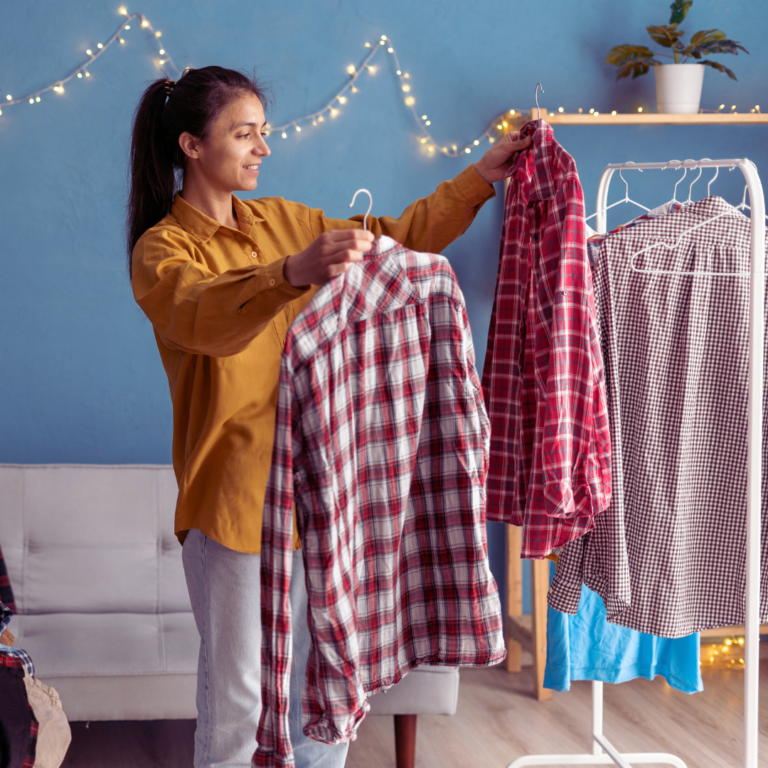
Choosing clothes that truly fit a person’s lifestyle means understanding how their daily activities shape their wardrobe needs. The key is to select garments that provide comfort, functionality, and style appropriate to the environments they regularly encounter. This approach helps avoid wasting spending on items that won’t get worn or feel out of place.
Lifestyle can include work demands, social habits, hobbies, and climate. By aligning outfit choices with these factors, people ensure their clothes support their routines smoothly without sacrificing their personal taste. This balance simplifies dressing and improves confidence throughout daily life.
Understanding the Connection Between Fashion and Lifestyle
Clothing choices reflect more than personal taste; they align with daily routines, social environments, and long-term goals. Fashion should support an individual’s activities, comfort, and self-expression without creating unnecessary complexity.
What Does It Mean to Dress for Your Lifestyle
Dressing for one’s lifestyle means selecting clothes that suit daily schedules and environments. An individual working in a corporate office needs tailored attire that matches professional expectations. Conversely, someone with an active outdoor lifestyle opts for durable, easy-care fabrics.
Comfort, practicality, and appropriateness matter most. Fashion here focuses on garments that work with one’s habits rather than against them. Versatility and fit help reduce decision fatigue and improve confidence throughout the day.
The Impact of Wardrobe Choices on Daily Activities
Wardrobe choices directly affect ease of movement, time management, and social interactions. Clothes that require constant adjustment or special care can disrupt productivity. For example, high heels may suit formal meetings but not commuting or long walks.
Choosing pieces that integrate well with daily tasks saves time and reduces stress. This includes considering weather, transportation mode, and typical social settings. Well-planned wardrobes streamline routines and support desired lifestyles efficiently.
Trends Versus Timelessness in Clothing Selection
Balancing current fashion trends with timeless essentials creates a practical wardrobe. Trends offer fresh styles but can quickly become outdated or unsuitable for all occasions. Timeless items, like classic jeans or a white shirt, provide reliable foundations.
A strategic mix ensures adaptability and cost-effectiveness. Investing in classic pieces while selectively incorporating trends keeps wardrobe choices relevant without constant replacement. This blend respects personal style and lifestyle demands equally.
Identifying Your Personal Style and Wardrobe Needs
Choosing clothes starts with understanding what fits daily activities and true preferences. Knowing style preferences and analyzing existing clothes helps create a practical, satisfying wardrobe that suits personality and lifestyle demands.
Discovering Your Personal Style
He or she begins by reflecting on clothing that feels natural and inspiring. Reviewing photos, magazines, or style blogs can reveal preferred aesthetics such as minimalist, bohemian, or classic.
Noting colors and textures frequently worn also refines choices. Personal style isn’t about following trends but identifying what boosts confidence and comfort. It develops as a clear sense of what one gravitates toward repeatedly.
Experimenting with different fabrics, patterns, and fits can confirm what aligns best with individual tastes before committing to new purchases.
Assessing Your Current Wardrobe
The next step involves an honest inventory of existing clothes. Sorting items by wear frequency highlights what is practical versus forgotten. This process reveals gaps and excesses.
Items that no longer fit lifestyle needs, such as workwear replaced by casual pieces, should be removed. Keeping versatile, well-fitting essentials ensures better daily outfit choices.
Creating categories like “work,” “casual,” and “special occasions” helps visualize balance and informs future shopping decisions. This evaluation is key to efficient closet management.
Aligning Clothing Choices With Your Personality
Clothing should express core personality traits while meeting practical needs. For example, a professional who values efficiency may choose streamlined, easy-to-maintain pieces.
Bold individuals might favor statement items or vibrant colors matching their outgoing nature. Introverts might lean toward subdued tones and comfortable fits.
Matching clothing to personality prevents discomfort and promotes authenticity. It supports confidence by reflecting who the person really is, not just what’s fashionable or expected.
Practical Steps for Choosing Clothes That Match Your Lifestyle
Choosing clothes involves assessing daily activities, climate, and personal style needs. Emphasizing fit, comfort, and versatility helps in building a functional wardrobe that serves various life settings. Strategic selection of key pieces and conscious mixing improve outfit adaptability and support sustainable habits.
Evaluating Fit, Comfort, and Functionality
Fit is critical for both appearance and comfort. Clothes should neither be too tight nor too loose, allowing ease of movement appropriate for daily tasks. For example, stretch fabrics benefit those with active routines, while structured pieces suit formal work environments.
Comfort depends on fabric choice, weight, and breathability. Natural fibers like cotton and linen are preferable in warmer climates. Seasonal considerations also matter; layering options work well for changing temperatures.
Functionality involves practical features such as pockets, wrinkle resistance, and durability. Someone frequently outdoors needs weather-resistant materials, whereas office workers might prioritize polished fabrics that maintain shape throughout the day.
Selecting Key Pieces for Different Life Settings
Key pieces vary by lifestyle demands. For professionals, a well-fitted blazer, tailored pants, and quality dress shirts form a reliable foundation. Casual lifestyles benefit from versatile jeans, comfortable tees, and layering sweaters.
Social occasions demand flexible options, including statement dresses or smart casual outfits that transition easily. Athletic habits require moisture-wicking, supportive activewear built for movement and sweat management.
A simple table for reference:
| Lifestyle | Essential Pieces |
| Professional | Blazer, dress shirts, tailored pants |
| Casual | Jeans, t-shirts, sweaters |
| Social/Events | Statement dresses, versatile outfits |
| Active | Moisture-wicking tops, supportive shoes |
Choosing key pieces aligned with daily needs shapes a coherent, efficient wardrobe.
Mixing and Matching for Versatile Outfits
Combining clothing items for multiple outfits maximizes wardrobe potential. Neutral colors like black, navy, and gray provide a base for pairing with bolder accents. Patterns should be minimal to enable ease of coordination.
Layering plays a vital role. A single blazer over casual or formal attire shifts the look instantly. Scarves, belts, and shoes also transform outfits without adding bulk.
Investing in adaptable pieces—like well-cut trousers or button-up shirts—allows blending formal and informal elements. This strategy reduces the need for excessive clothing and simplifies daily dressing routines.
Building a Sustainable and Intentional Wardrobe
Intentional wardrobe building focuses on long-term use and ethical choices. Opting for quality over quantity ensures garments last longer, reducing the frequency of replacement. Natural materials and timeless styles support sustainability goals.
Avoid impulse purchases by planning and tracking clothing needs. A capsule wardrobe approach helps maintain balance with only essential and well-loved items. Repairing and repurposing clothing extends its lifecycle and minimizes waste.
Shopping with brands known for ethical practices and transparency strengthens sustainable habits. This mindful process aligns clothing choices directly with lifestyle values and environmental impact.