
How to Find the Right CBD Dosage for Your Needs: A Practical Guide for Effective Use
Finding the right CBD dosage varies based on individual factors such as body weight, metabolism, and the condition being addressed. The most effective approach is to start with a low dose and gradually increase it until the desired effect is achieved.
People often wonder how much CBD to take daily, but there is no one-size-fits-all answer. Careful adjustment and paying attention to how the body responds are key to determining the proper amount.
Understanding product concentration and how to measure doses clearly helps avoid taking too little or too much. This article will guide readers through practical steps to find the optimal CBD dose safely.
Understanding CBD Dosage and Its Importance
Determining the correct amount of CBD to take depends on factors like body weight, metabolism, and the desired effect. Understanding how CBD interacts with the body and the concept of dosing limits can guide users to effective and safe consumption.
What Is CBD Dosage?
CBD dosage refers to the specific amount of cannabidiol consumed at one time or throughout a day. It varies widely among individuals because of differences in body chemistry and the purpose of use.
Common products include oils, capsules, and edibles, each with different concentrations of CBD. Dosage is often measured in milligrams (mg), and starting low, such as 5–10 mg, is typically advised.
Adjusting dosage involves gradual increases to find the amount that offers relief without side effects. Factors influencing dosage include body weight, severity of symptoms, and product potency.
The Role of the Endocannabinoid System
The endocannabinoid system (ECS) is a complex cell-signaling system responsible for maintaining balance within the body. It regulates processes such as mood, sleep, pain, and immune response.
CBD interacts with ECS receptors indirectly, influencing how the body manages these functions. Because each person’s ECS sensitivity varies, the same CBD dose may affect individuals differently.
A proper dose ensures effective interaction with the ECS without overwhelming its natural processes. The goal is to support the ECS in maintaining homeostasis rather than replacing its function.
Minimum Effective Dose Concept
The minimum effective dose (MED) is the smallest amount of CBD that achieves the desired effect. Finding the MED minimizes the risk of side effects and reduces unnecessary consumption.
This dose can be individual, determined through trial and error by starting with a low amount and increasing slowly. For many, 10–20 mg per day is sufficient, but some require more depending on their condition.
Tracking symptoms and effects helps identify when the MED is reached. Consistently exceeding the MED usually offers no additional benefits and may waste product.
Key Factors That Affect Your Ideal CBD Dosage
Several important elements influence the right CBD dosage for an individual. These include physical characteristics, the effects sought, and the nature of the product used.
Body Weight and Metabolism
Body weight plays a significant role in determining CBD dosage. Generally, heavier individuals may require higher amounts of cannabidiol to experience the same effects as lighter individuals.
Metabolism speed also affects how quickly CBD is processed and cleared from the body. Those with faster metabolisms might need more frequent or higher doses.
For example, a person weighing 150 pounds might start with 15-20 mg of CBD daily, while someone at 200 pounds might begin with 25-30 mg. Adjustments depend on personal response after initial trials.
Desired Effects and Tolerance
The purpose of using CBD—whether for pain relief, anxiety, or sleep—impacts dosing recommendations. Mild effects may require lower doses, whereas therapeutic goals might need stronger amounts.
Tolerance develops over time, especially in regular users of products like CBD oil or capsules. Experienced users often require higher doses to achieve similar results as beginners.
It’s important to increase the dosage gradually. Jumping to high doses before understanding one’s individual sensitivity can lead to unnecessary side effects without added benefit.
Product Potency and Type
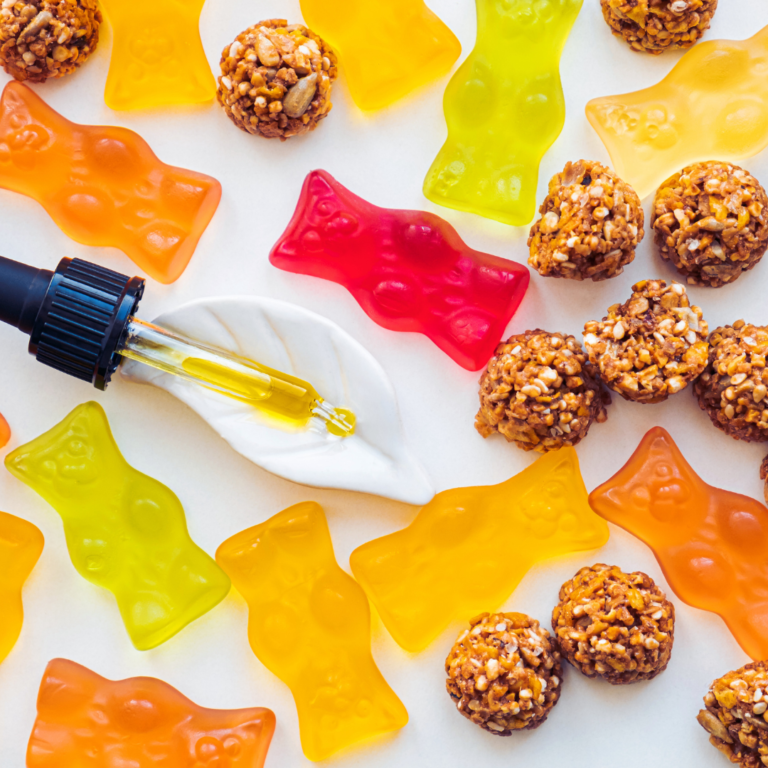
CBD products vary widely in potency. For instance, CBD gummies typically offer fixed doses per piece, often 10-25 mg, making them easier to measure.
CBD oils provide more flexibility, allowing precise dosage adjustments with dropper measurements. Capsules usually contain standardized amounts, simplifying consistency.
The type of product also influences the absorption rate. Oils and tinctures absorb faster than edibles like gummies, which must pass through digestion. This affects onset time and overall effectiveness.
Choosing and Calculating the Right CBD Dosage
Finding the correct CBD dose depends on factors like body weight, product concentration, and the condition being treated. Using charts or calculators can simplify the initial dose selection. Adjustments over time are important to reach the ideal effect.
CBD Dosage Chart and Calculators
A CBD dosage chart helps match body weight to a starting dose, often measured in milligrams (mg) of CBD. For example:
| Body Weight (lbs) | Low Dose (mg) | Medium Dose (mg) | High Dose (mg) |
| 100 | 10 | 20 | 30 |
| 150 | 15 | 30 | 45 |
| 200 | 20 | 40 | 60 |
Calculators allow personalized input of weight, product potency, and desired strength. They can guide users on how much CBD oil or CBD isolate to take based on their product concentration. These tools are helpful, especially when starting with a new product.
Start Low and Titrate Up
Beginning with a low dose, such as 5-10 mg of CBD daily, helps monitor how the body reacts. This approach prevents excessive dosing and unwanted effects. After a few days, the dose can be increased gradually by 5 mg increments.
Titrating up means increasing the dose slowly until the desired effect is noticed. This method is particularly useful for products like CBD oil, where concentration varies. It also applies to CBD isolate in capsules or powder form, offering precise control.
Tracking and Adjusting Your Dose
Keeping a daily diary of CBD intake and effects assists in identifying the ideal dose. Notes should include dose amount, time taken, and any changes in symptoms or side effects.
If no improvements occur after a week or two, increasing the dose incrementally is advised. Conversely, if side effects appear, lowering the dose may be necessary. This ongoing process helps tailor the CBD dose to individual needs.
Types of CBD Products and Special Considerations
Choosing the right CBD product involves understanding key differences in how they deliver CBD and their effects. Factors like onset time, dosage control, and product formulation impact how someone might start dosing.
CBD Oil, Gummies, and Capsules Differences
CBD oil is absorbed sublingually, allowing faster onset, usually within 15-30 minutes. It offers flexible dosing through drops, making it easier to adjust amounts precisely.
CBD gummies provide a pre-measured dose and are convenient for dosing on the go. They take longer to take effect, generally 30 to 90 minutes, due to digestion. Gummies often contain added sugars or flavors.
CBD capsules offer consistent, controlled doses similar to gummies but without added flavors. Like gummies, capsules have slower absorption due to digestion, but provide simplicity for users who prefer pill form.
All three forms can contain full-spectrum CBD, broad-spectrum, or CBD isolate. CBD isolate products are pure CBD without other cannabinoids, which some users prefer for targeted effects or avoiding THC.
Prescription CBD: Using Epidiolex
Epidiolex is the only FDA-approved CBD medication, prescribed primarily for severe epilepsy like Dravet syndrome. It contains purified CBD with strict dosing guidelines controlled by a healthcare provider.
Its dosing differs significantly from over-the-counter products, starting low and titrating up based on response and side effects. It undergoes rigorous quality control, ensuring consistency in each dose.
Epidiolex may interact with other medications, requiring medical supervision. This prescription product is not interchangeable with typical CBD oils or gummies and is intended for specific medical conditions only.