
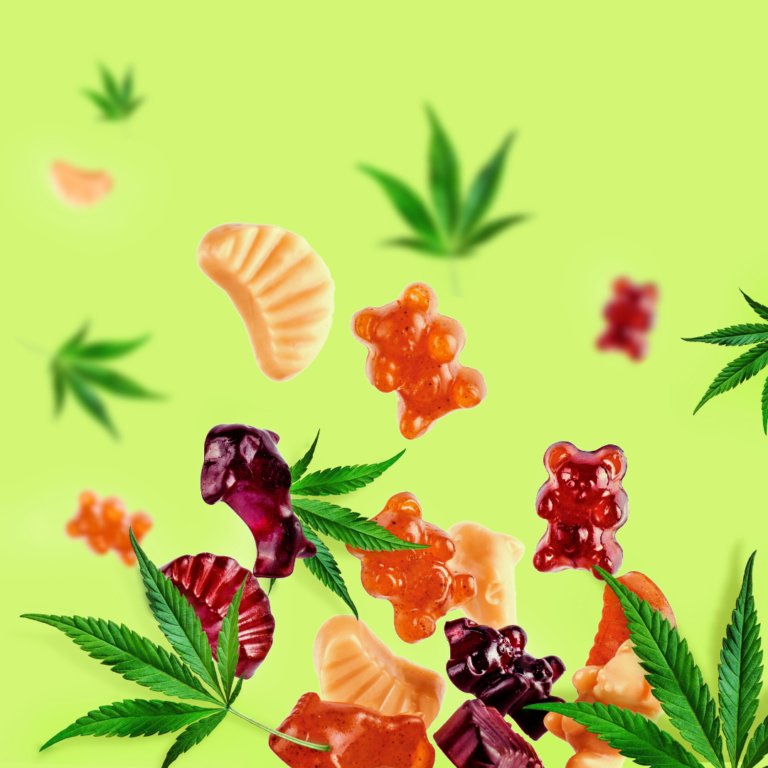
Choosing between CBD edibles, tinctures, and topicals depends on the user’s goals and preferences. CBD edibles offer longer-lasting effects, making them ideal for sustained relief, while tinctures provide faster absorption through the bloodstream. Topicals work best for localized issues like skin irritation or joint pain since they are applied directly to the affected area.
Each form of CBD product has unique benefits: edibles are discreet and convenient, tinctures allow precise dosing, and topicals avoid systemic absorption altogether. Understanding how each delivers CBD helps users select the option best suited for their needs.
Core Differences: CBD Edibles, Tinctures, And Topicals
Each CBD delivery method interacts differently with the body, affecting how cannabinoids are absorbed and utilized. Factors like absorption rate, target areas, and the type of CBD extract influence their effectiveness and user experience.
How Each Delivery Method Works
CBD edibles, like CBD gummies, are ingested and processed through the digestive system. This means the CBD extract passes through the liver, where it is metabolized before entering the bloodstream. This process affects the bioavailability of the CBD and can delay its effects.
CBD tinctures and oils are typically taken sublingually, placing the liquid under the tongue for direct absorption through mucous membranes. This bypasses the digestive system and liver, allowing for faster entry into the bloodstream and higher bioavailability compared to edibles.
CBD topicals are applied directly to the skin, including creams or balms containing topical CBD and sometimes hemp seed oil. They do not enter the bloodstream but interact with local cannabinoid receptors in the skin for localized relief.
Onset Time And Duration
Onset time varies significantly between these delivery methods. Edibles usually take 30 to 90 minutes to show effects due to digestion and metabolism.
Tinctures typically start working within 15 to 45 minutes because CBD is absorbed directly into the blood through oral membranes. Their effects last roughly 2 to 4 hours.
Topicals act more slowly, often taking up to an hour to provide relief. Their duration depends on usage but tends to be localized and lasts as long as the product remains on the skin.
Systemic Versus Localized Effects
Edibles and tinctures produce systemic effects, meaning the CBD circulates throughout the entire body via the bloodstream. This can influence cannabinoid receptors in various organs and tissues for overall benefits.
Topicals target specific areas, providing localized effects without systemic circulation. They primarily benefit skin conditions, muscle soreness, or inflammation when applied.
The choice depends on the desired outcome: full-body effects with edibles or tinctures, or targeted relief through topicals.
Benefits And Ideal Uses For Each Form
CBD products vary in how they deliver cannabinoids and target specific issues. Each form offers distinct benefits tied to absorption rates and application methods.
When To Use CBD Edibles
CBD edibles like gummies provide a convenient and discreet way to consume CBD extract. They are best suited for those seeking longer-lasting effects since the cannabinoids pass through digestion and are slowly absorbed over several hours.
Edibles are effective for overall wellness and stress relief due to their prolonged release. However, their onset is slower compared to tinctures, taking 30 minutes to 2 hours to take effect.
Individuals looking for a simple dose without inhaling or direct application often prefer edibles. The presence of THC in some products can enhance the entourage effect, but many choose THC-free options for daily use.
When To Use CBD Tinctures
CBD tinctures offer fast absorption under the tongue, providing quicker relief than edibles. They are ideal for managing symptoms like stress, acute pain, or inflammation requiring a controllable dose.
Users can adjust tincture amounts precisely, allowing flexible dosing. The effects appear within 15 to 45 minutes and generally last 4 to 6 hours.
Tinctures work well for those who want to avoid smoking or vaping yet need relatively rapid access to cannabinoids. Products often come with minimal THC, helping users maintain wellness without psychoactive highs.
When To Use CBD Topicals
CBD topicals are applied directly to the skin to target localized issues. They are effective for joint pain, skin irritation, and muscle soreness because cannabinoids bind to receptors in the skin without entering the bloodstream.
Topicals provide targeted relief without systemic effects and are excellent for those who want to avoid oral ingestion. These products support skin health and may reduce inflammation.
They can be combined with other CBD forms to enhance the overall entourage effect, especially when systemic and localized treatment is desired. Consistent application is key for continued benefits.
How To Choose: Factors For Selecting What Works Best
Choosing between CBD edibles, tinctures, and topicals depends on the intended effects, dosage control, daily routine, and product safety. He or she should consider how quickly effects are needed, ease of use, and whether the product suits personal habits or skin conditions.
Dosing Considerations
Dosing can vary widely depending on the CBD delivery method. Edibles provide a slow onset because they must be digested, so effects take 30 to 90 minutes to appear but last longer. Tinctures offer more precise dosing with drops under the tongue, allowing faster absorption and easier dose adjustments.
Topicals are applied directly to the skin and generally do not enter the bloodstream, so dosing is more about the amount applied and frequency, often targeting localized issues rather than systemic effects.
Users should start with a low dose and gradually increase if needed. It’s important to check product labels carefully, especially when using full-spectrum CBD products, to understand CBD concentration per serving.
Lifestyle And Convenience
Lifestyle impacts which CBD product fits best. Edibles are convenient for on-the-go usage and discreet consumption but lack immediate effects. Tinctures can be used quickly and adjusted easily, but might require preparation time and taste adjustment.
Topicals are preferred for targeted relief like muscle pain or skin conditions, ideal for those who want to avoid ingesting CBD. They can be incorporated into daily skincare routines, but may take longer to feel effects compared to other forms.
Convenience also includes shelf life and portability. Tincture bottles are small but fragile, edibles have varied shelf lives, and topicals must be stored properly to maintain potency.
Safety And Quality: Reading A Certificate Of Analysis
A certificate of analysis (COA) ensures a CBD product’s safety and quality. It verifies cannabinoid levels, confirms no harmful heavy metals or pesticides are present, and checks for microbial contamination.
Consumers should look for a COA from an independent lab matching the batch number on the product. This applies to all CBD products, including CBD oil, tinctures, and topicals.
Full-spectrum CBD products are analyzed for THC content to ensure it is within legal limits. Without a COA, the product might contain undisclosed contaminants or inconsistent CBD levels, posing safety risks.
Always prioritize products with transparent COAs to ensure safety, potency, and compliance with regulations.
Potential Risks, Interactions, And Additional Tips
Using CBD products involves some risks and considerations, especially regarding side effects and combining different methods. Awareness of these factors helps users make informed choices and avoid complications.
Possible Side Effects
CBD is generally well-tolerated, but some users may experience side effects such as dry mouth, dizziness, or fatigue. Edibles can take longer to metabolize, leading to delayed effects, which might cause unintentional overconsumption.
Topicals rarely cause systemic side effects but can lead to skin irritation or allergic reactions, especially in sensitive individuals. People should check ingredient lists carefully.
CBD can interact with medications that affect liver enzymes, altering how drugs are processed. It is important to consult healthcare providers before using CBD alongside prescription medications or if THC is present.
Combining Methods For Optimal Results
Some users combine edibles, tinctures, and topicals to target different needs. For example, ingesting CBD may relieve internal symptoms like anxiety, while applying a CBD topical targets localized pain or inflammation.
Starting with low doses of each product and gradually adjusting helps monitor tolerance and avoid side effects. Using tinctures sublingually can provide quicker effects, complementing slower-acting edibles.
Care should be taken not to exceed the recommended total daily CBD intake. Combining products containing THC increases the risk of psychoactive effects or legal issues, depending on local regulations.