
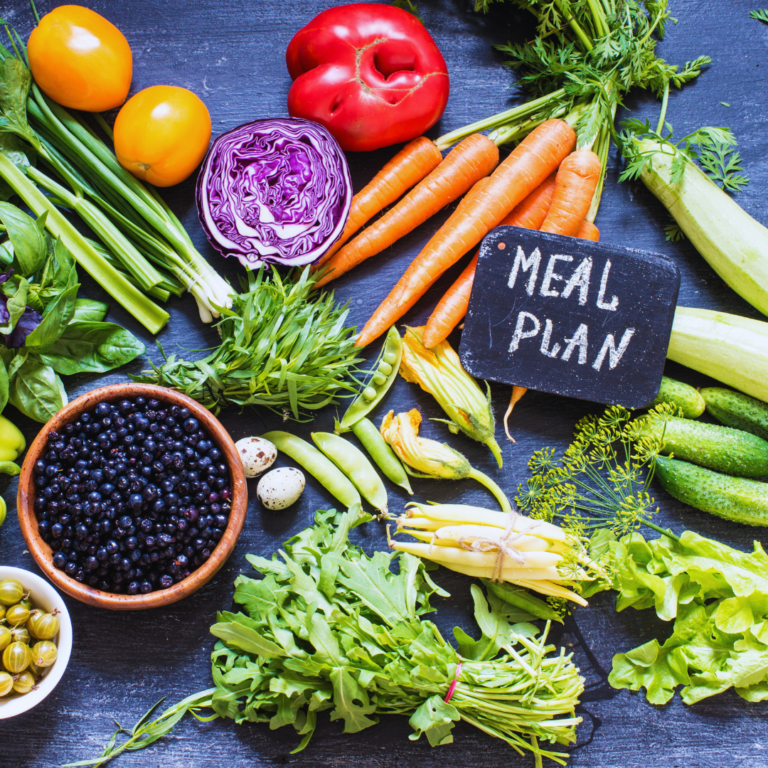
Meal planning doesn’t have to be complicated, even during a hectic week. The key to easy meal planning is preparing simple, versatile meals and organizing ingredients ahead of time. This approach saves time, reduces stress, and helps maintain a balanced diet despite a busy schedule.
By focusing on a few staple recipes and batching ingredients, anyone can streamline their cooking routine. Efficient grocery shopping and using leftovers effectively are practical strategies that make meal planning manageable and less overwhelming.
Foundations of Easy Meal Planning for Busy Weeks
Efficient meal planning relies on selecting straightforward approaches, using tools that speed up cooking, and keeping essential ingredients on hand. These elements reduce stress and make preparing meals during busy days more manageable.
Choosing Simple Meal Planning Strategies
The key to simple meal planning is focusing on a limited variety of recipes that share ingredients. This reduces shopping time and minimizes food waste. Many successful planners use themed days, such as “Pasta Monday” or “Stir-fry Friday,” to streamline decisions.
Batch cooking and prepping ingredients in advance also saves time during the week. Preparing sauces, chopping vegetables, or cooking grains ahead lets busy individuals assemble meals quickly. Keeping a rotating list of easy-to-make meals helps maintain variety without complexity.
Identifying Time-Saving Kitchen Tools
Certain kitchen tools significantly shorten meal preparation. A slow cooker or instant pot allows for hands-off cooking, ideal for busy schedules. Food processors and mandolins speed up chopping and slicing, cutting prep time dramatically.
Using containers designed for meal storage and portioning encourages quick reheating and portability. Tools that simplify cleanup, like nonstick pans and dishwasher-safe utensils, also conserve effort and time after cooking.
Incorporating Pantry Staples and Whole Grains
Pantry staples such as canned beans, tomatoes, and broths form the base of versatile meals. Keeping these stocked ensures ingredients are always ready, reducing last-minute store trips. Whole grains like brown rice, quinoa, and oats provide nutritious foundations that cook quickly or ahead of time.
These ingredients pair well with fresh or frozen vegetables to create balanced, filling dishes. Having a consistent range of pantry staples combined with whole grains supports flexible meal planning and easy substitutions when specific items run out.
Efficient Meal Prep Techniques
Effective meal prep relies on strategies that save time and reduce daily cooking effort. Prioritizing batch cooking, utilizing freezer meals, and repurposing leftovers can provide a streamlined approach to managing weeknight dinners.
Batch Cooking Methods for Main Meals
Batch cooking involves preparing large quantities of meals in one session. This saves time during the week by reducing repetitive cooking.
Preparing staples like rice, roasted vegetables, or proteins such as chicken or beef in bulk allows for quick assembly throughout the week. Recipes intended for batch cooking should be versatile and store well, such as stews, casseroles, or pasta sauces.
Using multi-compartment containers or portioned silicone molds can help organize meals by serving size. Labeling containers with dates helps keep track of freshness, ensuring food safety.
Freezer Meals for Quick Dinners
Freezer meals are pre-prepared dishes stored in the freezer for quick, heat-and-eat dinners. These meals require an upfront time investment but minimize cooking on busy days.
It’s important to choose recipes that freeze and reheat well, such as soups, lasagnas, and meatballs. Using airtight containers or vacuum-sealed bags prevents freezer burn and maintains quality.
Freezing in portions allows flexibility. Meals can be thawed individually or in multiples, depending on needs. Keeping an inventory list of freezer contents helps plan meals efficiently.
Making the Most of Leftovers
Using leftovers reduces waste and saves cooking time. Transforming yesterday’s meal into a new dish extends the ingredients’ utility.
For example, roasted chicken can become chicken salad, tacos, or be added to soups. Cooked vegetables can be blended into sauces or stir-fried with grains.
Proper storage is key. Separating components rather than mixing them in one container keeps flavors fresh and allows creativity in repurposing later meals. Labeling leftovers with dates warns against consuming food past its safe window.
Building Balanced and Nutritious Menus
Creating menus that combine key nutrients helps maintain energy and supports overall health during a busy week. Emphasizing protein and convenient, healthy snacks makes it easier to meet dietary needs without added stress.
Ensuring Adequate Protein in Every Meal
Protein is essential for muscle repair, immune function, and satiety. Including a source of protein in every meal helps maintain stable energy levels and prevents overeating later. Common protein sources include lean meats, fish, eggs, dairy, legumes, and tofu.
A simple way to add protein is to pair grains with legumes, such as rice and beans, which together form a complete protein. For convenience, pre-cooked chicken breasts or boiled eggs can be portioned and stored for quick use. Plant-based options like Greek yogurt or cottage cheese also provide protein with minimal preparation.
Balancing protein with vegetables and whole grains ensures nutrient variety. Aiming for at least 20-30 grams of protein per meal is a practical target for most adults.
Planning for Healthy Snacks on the Go
Healthy snacks bridge the gap between meals and prevent energy dips. Portable options like nuts, seeds, fruit, and cut vegetables are easy to prepare in advance. Pre-portioning snacks into small containers or bags reduces the chance of overeating.
Combining protein with fiber in snacks enhances fullness. Pairing apple slices with almond butter or hummus with carrot sticks delivers both nutrients efficiently. Avoid snacks high in added sugars or refined carbs, which can lead to quick energy crashes.
Including snacks as part of the meal plan supports consistent energy levels and reduces reliance on fast food or vending machines during hectic days.